
Over the last 10+ years I’ve built product engineering practices and engineering culture in startups that grew from zero to 100+ people — and in corporations with 1,000+ employees.
This is a summary of my experience and answers to four questions: what a CTO (Chief Technology Officers) does, how they organize their work, what responsibilities fall within their role, and why CTOs differ from one another.

If you’re a team lead or a serious senior engineer, understanding the CTO’s job is a quiet growth hack. CTO responsibilities often become epics in the backlog and quarterly goals. When you can see that layer, you can surface bottlenecks, propose initiatives, and move from “executor” to a partner who helps drive the business.
Market and company
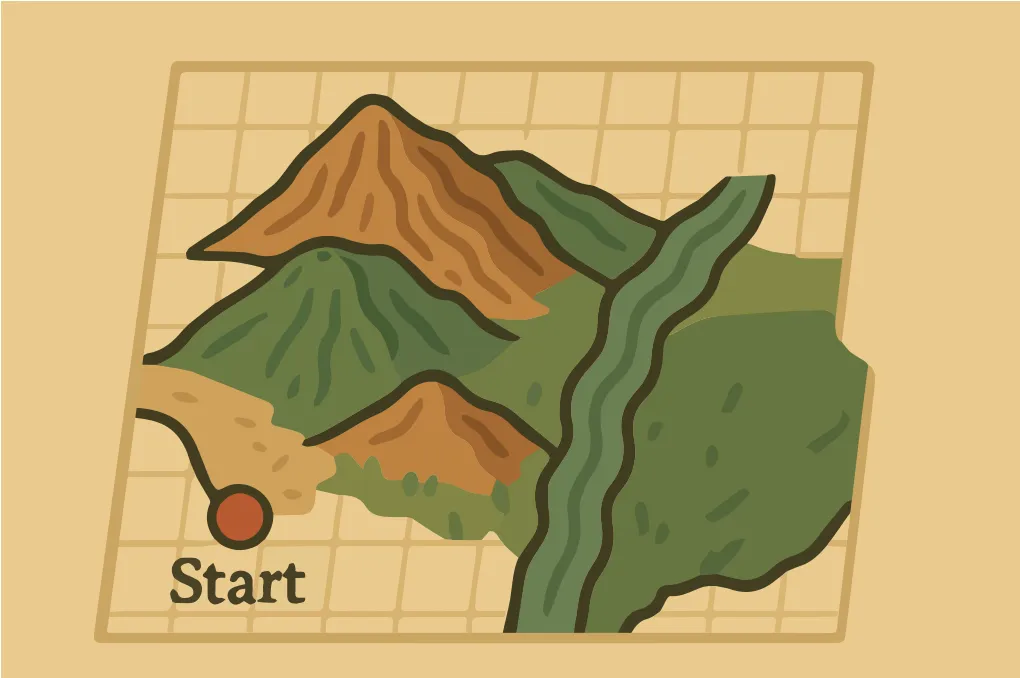
We’ll start not with processes, architecture, or code, but with market analysis. Talking about resources, teams, and processes without understanding the niche is just noise. Step one is to understand the market and your company’s position. Build a landscape map¹ and figure out where you are.
Market understanding and company positioning are the foundation for most C-level decisions: market size, who’s in it, how competitors stack up against us, where we’re strong, and where we’re exposed.
For a CTO, this is the main tool: the ability to speak the same language as C-level. Without it, you can’t have a real conversation about strategy and resources. Technical opinions detached from business reality don’t make it into strategy or goals.
Niche market first. Everything else comes after.
Strategy
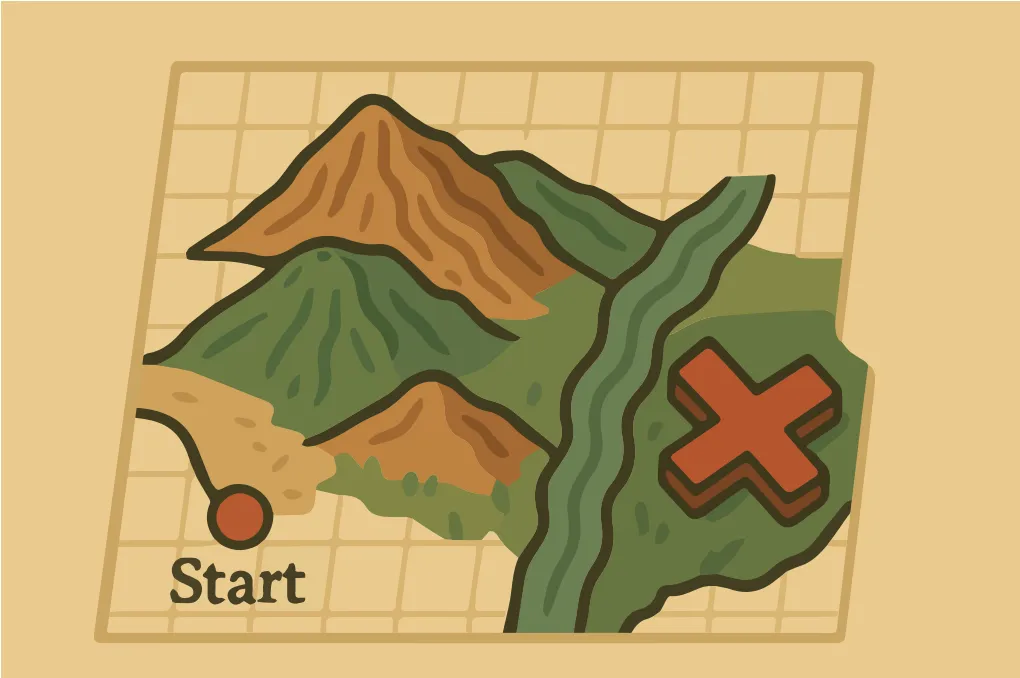
Once you have the market map, you need to answer: Where are we going? And you need the whole team aligned on the direction. That’s what strategy is for.
A CTO doesn’t operate in a vacuum. They are part of the C-level team. Architecture decisions, processes, and the org — all of it has to match the company’s goals and strategy.
The first core responsibility is to align long-term and short-term objectives—and connect them to the shared strategy—with the rest of C-level.
In technology companies, the CTO is often a key contributor to defining the company strategy.
Cases
A company’s stage and market position change the CTO’s job. A few real-world patterns:
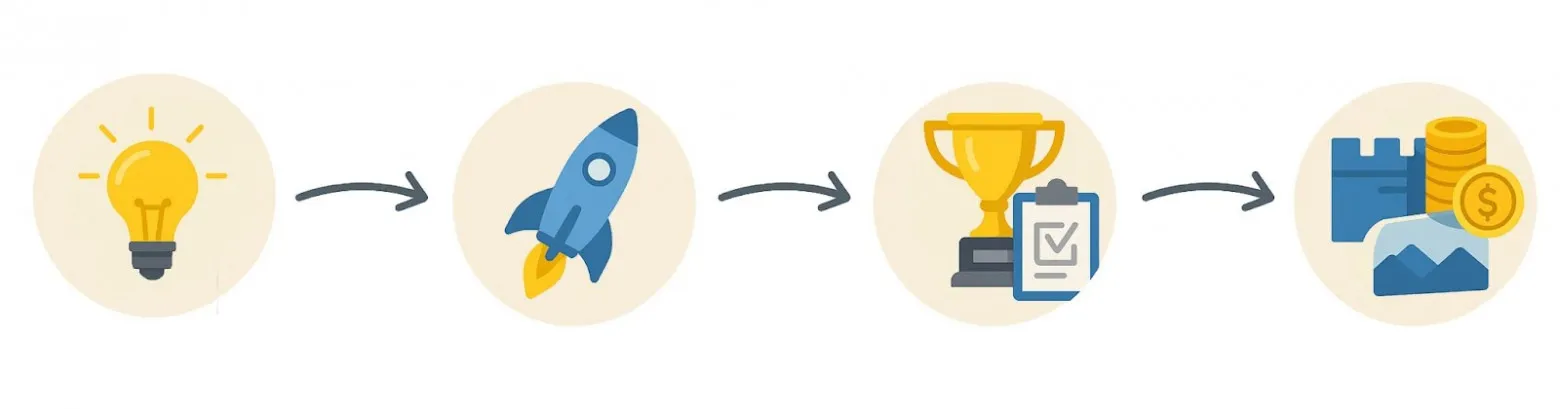
1) No product yet — only an idea
Budget: $120k. No direct competitors, only adjacent alternatives. The main goal: validate the hypothesis fast.
At this stage, the CTO is the chief experimenter. Their job is to help the team prove the idea’s value quickly — without burning all the capital before there are paying users or the next round of funding.
2) An MVP exists — and the hypothesis is validated
Load is increasing. Tech debt is accumulating. You need to keep quality while differentiating from competitors.
Here the CTO turns a one-time proof of demand into a repeatable, reliable, profitable product. They manage the trade-off: speed (shipping features) vs risk (tech debt, security, performance/load).
3) Growth phase
You need an aggressive go-to-market plan — or a leap via merge-and-acquisition.
The CTO becomes the connector between engineering execution and market capture strategy. Their job is to make sure scale doesn’t drown the company in tech debt, cyber risk, and runaway costs.
4) Preparing for valuation
You need to strengthen the tech brand, pass an audit, complete a review or due diligence, and increase investment attractiveness.
In this phase, the CTO is the company’s tech risk underwriter for enterprise value: they turn a chaotic engineering landscape into an asset — with fewer hidden liabilities.
Culture
I don’t believe a CTO’s main tool is power and resources, and that people/time/money are just currency to “buy the future”.
That mindset turns the CTO into a dispatcher moving resources between units for marginal gains. In my view, that’s a bad CTO.
For me, a CTO is first and foremost an engineer. Their job is to build a strong team with the right values and help it reach its potential in the right direction by providing the necessary resources and removing unnecessary barriers.
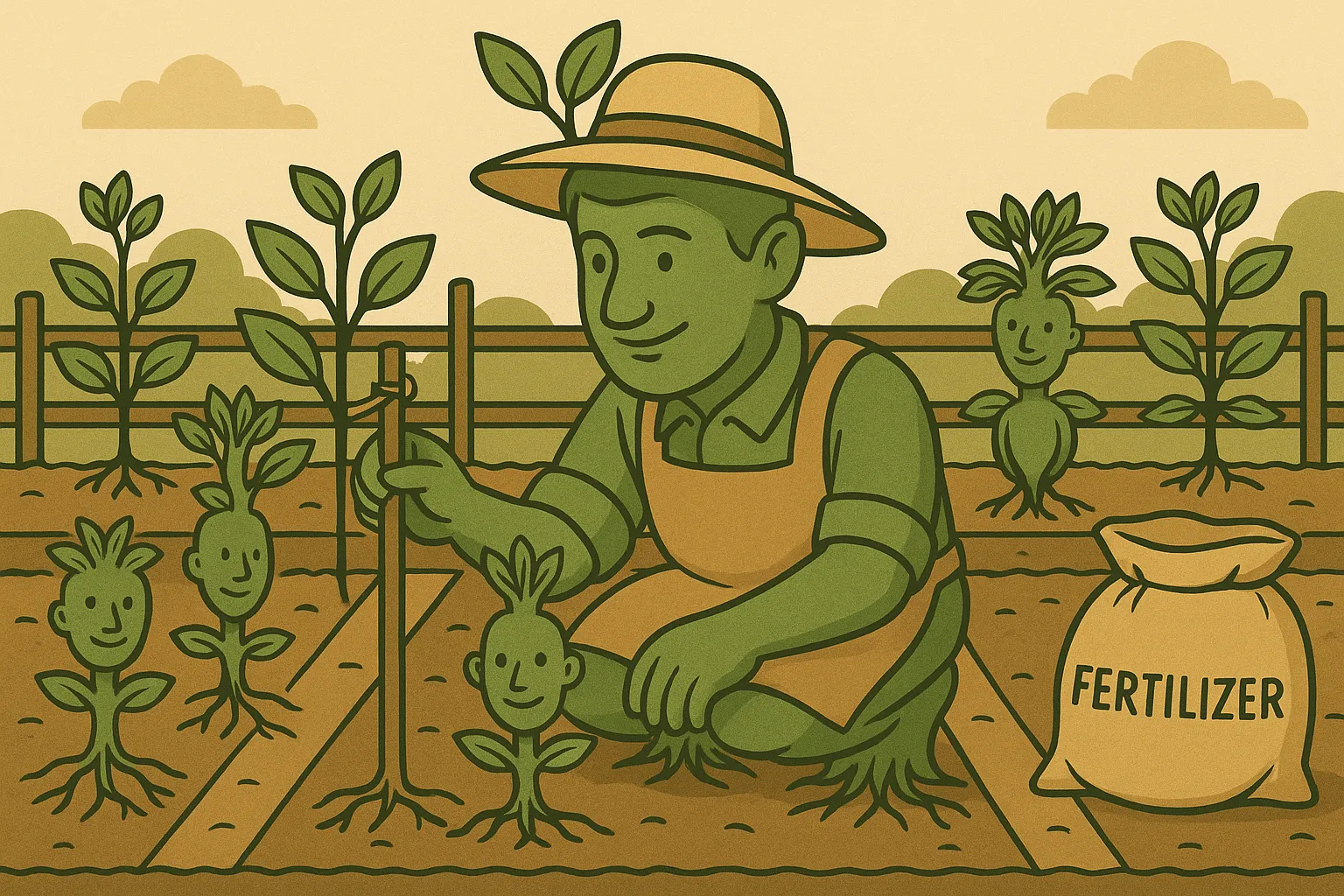
A good metaphor is a gardener: they set constraints, build supports, pull weeds, and choose the right fertilizer for growth. The key is that the team becomes a co-author of the environment they’ll want to work in tomorrow.
Tip: treat the team as partners. When you apply constraints, imagine you’re an early-career engineer from your past — you should feel safe and capable in that system.
To cultivate culture, use practices — repeatable actions that, combined with values, become culture.
A simple algorithm:
- Use constraints to set direction.
- Use practices and rituals to form habits.
- Values + support for initiative turn habits into a durable culture.
End of theory
That’s the theoretical part of the “CTO: market, strategy, and culture” course.
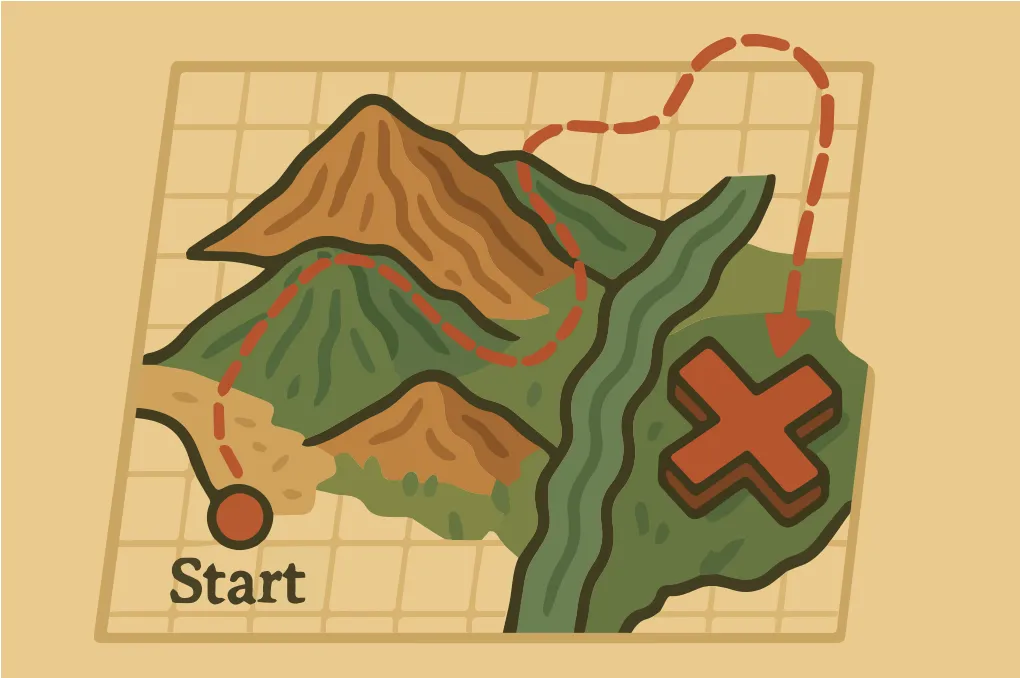
Let’s restate the core ideas:
- Market gives you the map: terrain, borders, paths.
- Strategy sets the destination and key milestones: where you’re going.
- Culture defines how you choose paths — so the team, as a single organism, can move fast and safely.
CTO checklist
To give first-time CTOs something practical, here’s my CTO checklist for a six-month operating cycle.
C-level
- align on market understanding and strategy;
- agree on budgets;
- embed the technology vision into the company strategy;
- communicate what’s feasible, what’s fantasy, and how risk is managed;
- set the trade-offs between “fast / expensive / reliable”;
- check unit economics so technical investments match expectations;
- define the org design and team structure.
Leadership team
- align the roadmap, goals, and initiatives;
- identify and break down key epics and cross-team bets;
- agree on shared OKRs/KPIs/dashboards/key metrics.
Product and design
- define shared culture and values;
- negotiate “fast / expensive / reliable” trade-offs;
- map customer journeys;
- define customer value and how you’ll deliver it;
- prioritize product and technical backlogs.
Engineering leads
- shape culture, values, and architectural principles;
- standardize engineering practices and approaches.
Engineers
- collect feedback; support and analyze motivation;
- watch for signals from the people who create value daily;
- validate that the “working environment” matches expectations.
Sales and marketing
- align values, expectations, and available tooling;
- support complex deals and commitments;
- shape external positioning of the technology;
- build feedback loops from the front line—directly from customers.
HR / People
- build a hiring strategy;
- develop leveling, evaluation, and values systems;
- balance “hiring speed / sourcing cost / cultural mismatch risk.”
External communications
- public speaking, tech brand, company reputation;
- external audits;
- relationships with key partners.